

Problems still open
Post-quantum migration and secure communication raise questions that are still being settled in practice, not only in theory.
Academic collaboration
Co-operate with Knowlcom on its research programmes in post-quantum cryptography and secure communication.
Why collaborate
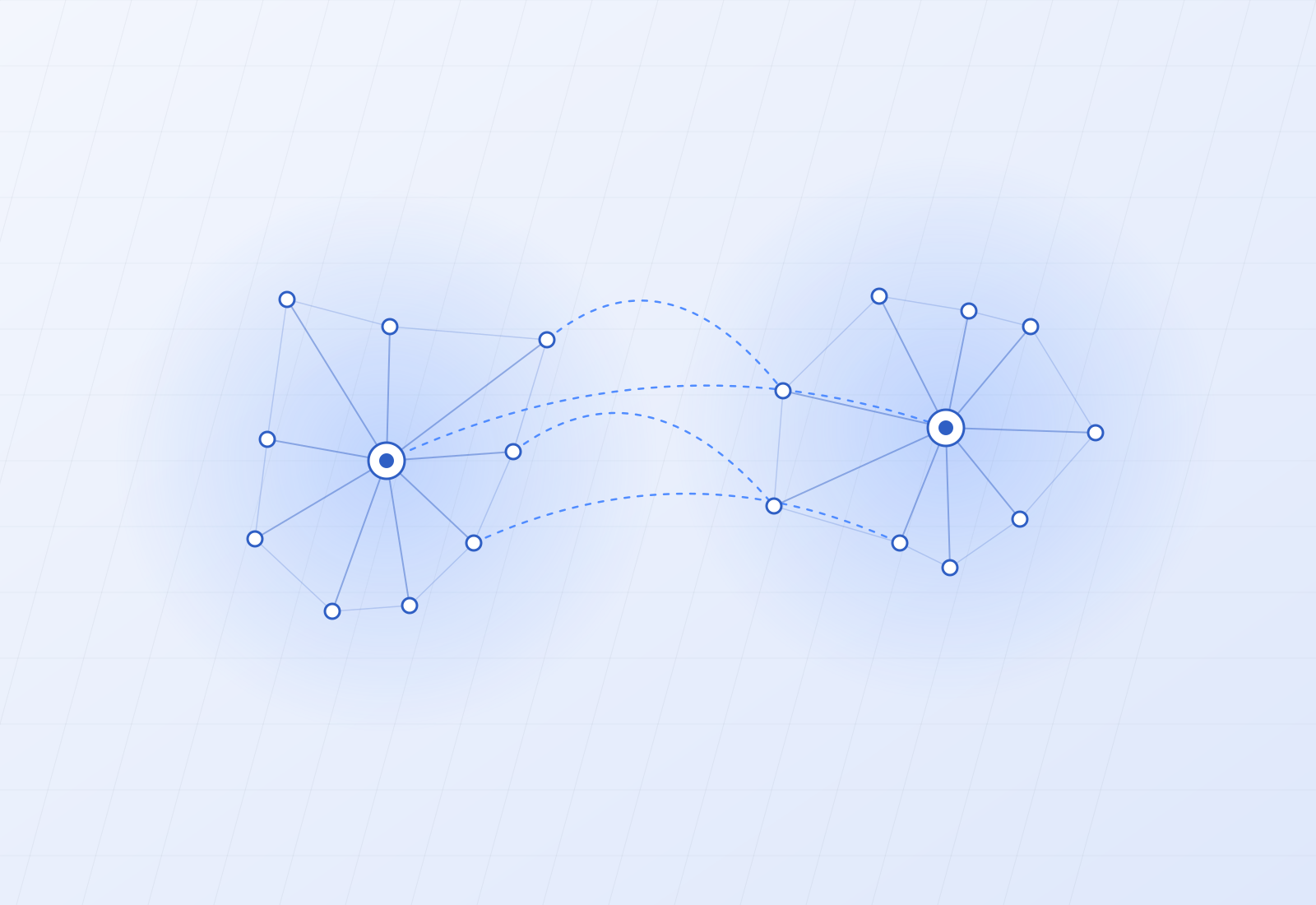
Post-quantum migration and secure communication raise questions that are still being settled in practice, not only in theory.

Knowlcom research is tied to the software it builds, so questions can be tested against working systems on agreed terms.

The research favours claims a second party can recompute, which suits peer review and teaching.
Collaboration models
These are models Knowlcom offers. Each collaboration is agreed separately with the institution, and this page does not name partner institutions.

A defined research question, worked on by a faculty group and Knowlcom researchers, with agreed scope, milestones and outputs.

Students and early-career researchers placed on a programme for a fixed term, with a named supervisor on each side.

Sessions for students and faculty on post-quantum cryptography, cryptographic migration and secure communication.

Course material, laboratory exercises and teaching tools for applied cryptography and secure systems.

Papers and technical reports written jointly, with authorship and review agreed before work starts.

Co-guidance of PhD and M.Tech theses where the topic falls within a Knowlcom research programme.
Research areas
Collaborations align with the areas of Knowlcom research programmes. These are questions under research, not claimed results.

Confidentiality that does not depend on the relay.

Classical models a second office can recompute.

A sovereign appliance, and a perimeter that fails closed.

A private record, accepted only after recomputation.

Local training and serving, with a record of each exchange.

One envelope; the receiving office recomputes.
Academia mentor
Academia Partner & Mentor · BIT Mesra
A faculty member of Electronics and Communication Engineering at BIT Mesra, he advises Knowlcom on its research programmes and on collaboration with universities and educators.
Profile in Leadership: Prof. Dr. Vishal H. ShahHow to engage
The research question, department, people involved and the collaboration model you have in mind.
Output Written proposal
A conversation with Knowlcom researchers to test fit with a research programme and agree scope.
Output Agreed scope
Supervision, publication, intellectual property and confidentiality, settled in writing with the institution before work starts.
Output Written agreement